How to Build an 8x12 Storage Shed for Your Backyard and Garden
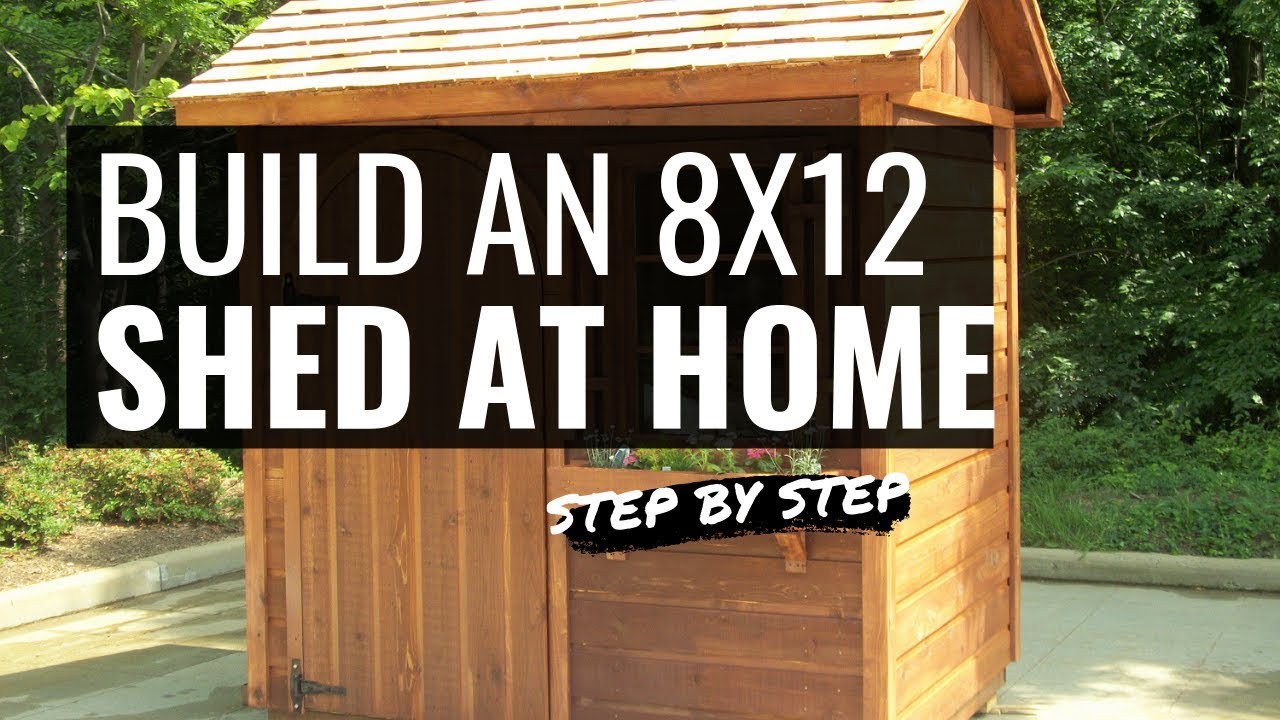
Constructing an 8x12 Backyard Storage Shed: A Comprehensive Guide
The construction of a backyard storage shed offers a practical solution for organizing garden tools, equipment, and other outdoor necessities. This comprehensive guide details the process of building an 8x12 shed, emphasizing careful planning, precise measurements, and adherence to safety regulations. This project requires a moderate level of DIY skill and access to basic carpentry tools. Improper planning or execution can lead to structural instability and safety hazards, so careful attention to detail is paramount.
Phase 1: Planning and Preparation
Site Selection and Preparation
Choosing the right location is critical. Consider factors such as accessibility, proximity to power sources (if needed), drainage, and sunlight exposure. Ensure the chosen site is level and free from obstructions. Mark the shed's perimeter using stakes and string, ensuring accurate dimensions (8 feet by 12 feet). Clear the area of vegetation, rocks, and any other debris. Consider the local building codes and obtain necessary permits before commencing construction. This often involves submitting plans for review and securing approvals.
Material Selection and Acquisition
The materials required for an 8x12 shed include pressure-treated lumber for the foundation and framing, plywood for the walls and roof, roofing material (e.g., asphalt shingles), fasteners (nails, screws), and hardware (hinges, handles, locks). Consider purchasing slightly more material than calculated to account for potential errors or waste. High-quality materials will ensure longevity and structural integrity. Opt for pressure-treated lumber for ground contact to resist rot and insect infestation. Choose a roofing material suitable for your climate and aesthetic preferences. Thoroughly check all materials upon delivery for any damage or defects.
Tools and Equipment
Constructing a shed demands a variety of tools and equipment. Essential tools include a measuring tape, level, saw (circular saw or hand saw), drill, hammer, shovel, post hole digger (if using posts for the foundation), safety glasses, work gloves, and a ladder. Power tools significantly expedite the process, but hand tools can be utilized as well. Ensure all tools are in good working order and that safety precautions are followed at all times. Appropriate personal protective equipment (PPE) is essential to prevent injuries.
Phase 2: Foundation Construction
Concrete Slab Foundation
A concrete slab foundation provides a strong, level base. Excavate the area to a depth of approximately 4 inches, ensuring a level surface. Construct a formwork using lumber to contain the concrete. Pour a layer of gravel for drainage before placing the concrete. Ensure the concrete is properly leveled and allowed to cure completely before proceeding with the framing. This process typically takes several days depending on weather conditions. Consider using rebar for added reinforcement within the concrete slab.
Alternative Foundation Options
Alternatives to a concrete slab include a gravel base or pier and beam foundation. A gravel base involves compacting a layer of gravel within the excavated area. This is a simpler and less expensive option but offers less stability than a concrete slab. A pier and beam foundation involves digging holes and setting concrete piers or blocks at intervals to support the frame. This is suitable for uneven terrain but requires more labor.
Phase 3: Framing and Wall Construction
Framing the Floor
Once the foundation is prepared, construct the floor frame using pressure-treated lumber. Lay out the joists according to your plans, ensuring proper spacing and support. Secure the joists to the foundation using appropriate fasteners. Install plywood sheathing over the joists to create a solid floor surface. Make sure the floor frame is perfectly level and square before proceeding to the walls.
Wall Framing and Sheathing
Construct the wall frames using pressure-treated lumber, following the dimensions outlined in your plans. Ensure the frames are plumb and square. Once the wall frames are assembled, attach plywood sheathing to the exterior. This provides stability and a surface for siding or other exterior cladding. Use appropriate fasteners and ensure proper alignment for a structurally sound wall. This process requires careful measurement and attention to detail to ensure vertical and horizontal alignment.
Roof Framing
The roof frame is crucial for the shed's stability and weather resistance. Construct the roof trusses or rafters according to your plan. Properly align and fasten the trusses to the top plates of the wall frames. Install plywood sheathing over the roof frame, ensuring proper overlap and fastening. The roof sheathing provides a base for the roofing material. Consider using appropriate roofing felt or underlayment before applying the final roofing material.
Phase 4: Roofing, Siding, and Finishing
Roofing Installation
Apply the chosen roofing material according to the manufacturer's instructions. This may involve asphalt shingles, metal roofing, or other suitable materials. Ensure proper overlapping and fastening to ensure a watertight seal. Properly flashing around vents, chimneys, and other protrusions is crucial to prevent leaks. This step is critical for protecting the shed's contents from the elements.
Siding and Exterior Finishing
Install the chosen siding material, which may include wood, vinyl, or metal. Ensure proper alignment and fastening. Apply any necessary trim or molding to complete the exterior appearance. Caulk around windows, doors, and other openings to prevent air and water infiltration. Properly sealing all joints and seams is crucial for preventing moisture damage.
Door and Window Installation
Install the shed's door and windows, ensuring they are properly aligned and function smoothly. Use appropriate hinges, latches, and weatherstripping. Ensure all hardware is securely fastened and operates correctly. Consider adding security features like locks and additional bracing for the door frame for increased security. This step is critical for both functionality and security.
Phase 5: Final Inspection and Completion
Conduct a thorough inspection of the completed shed, checking for any structural issues, loose fasteners, or gaps that could compromise the building's integrity. Address any imperfections or necessary repairs. Apply a final coat of paint or sealant to protect the exterior materials and enhance the shed's aesthetics. Ensure that all safety regulations have been followed, and the structure is stable and secure. Consider adding features such as shelves, workbenches, or electrical wiring, as needed, to optimize the shed’s functionality for its intended purpose.
Building an 8x12 storage shed is a rewarding project that enhances the functionality of your backyard and garden. By meticulously following these steps, adhering to safety guidelines, and utilizing high-quality materials, you can construct a durable and aesthetically pleasing structure that will serve your needs for many years to come. Remember that seeking professional guidance is always advisable if you encounter any difficulties or uncertainties throughout the construction process.
Comments
Post a Comment