DIY 6x8 Shed Plans: Understanding Materials and Cost
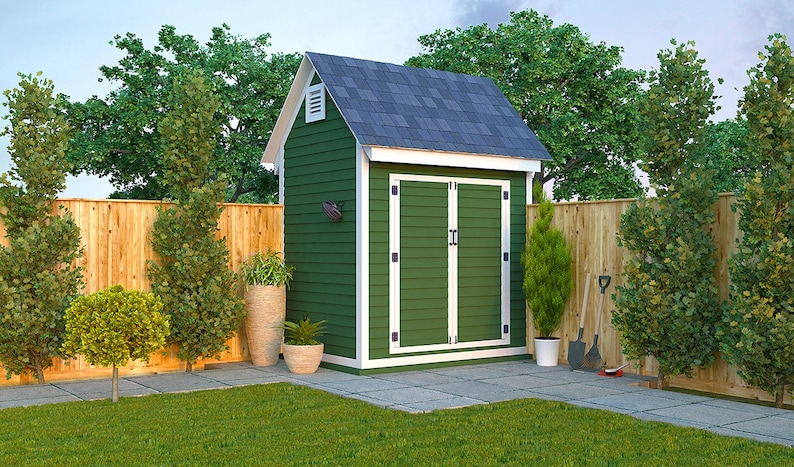
DIY 6x8 Shed Plans: Understanding Materials and Cost
Constructing a 6x8 shed offers a practical and cost-effective solution for additional storage space. However, embarking on this DIY project requires careful planning, encompassing a comprehensive understanding of necessary materials and associated costs. This detailed guide will break down the process, providing a clearer picture of what's involved before you begin.
I. Planning and Design Considerations
Before purchasing any materials, meticulous planning is paramount. This phase determines the shed's functionality and significantly impacts the overall cost. Key considerations include:
A. Shed Purpose and Functionality
Defining the shed's primary purposeâ€"tool storage, garden equipment, or general storageâ€"dictates the required internal space and features. A shed for storing bulky items necessitates different internal dimensions and shelving arrangements compared to one housing delicate tools.
B. Location and Site Preparation
The chosen location influences the foundation type and materials. Level ground simplifies construction, while uneven terrain may necessitate additional excavation and leveling, increasing both time and expense. Local building codes and regulations must be thoroughly researched and adhered to. Consider access for material delivery and construction.
C. Building Codes and Permits
Many localities have regulations concerning shed construction, including size limitations, setback requirements, and material specifications. Obtaining necessary permits before commencing work prevents potential legal issues and fines. Check with your local building department for specific requirements.
D. Design Selection and Drawings
While numerous pre-designed plans are available online, customizing a design tailored to your specific needs and preferences might be beneficial. Detailed drawings, including dimensions, material lists, and assembly instructions, are essential for efficient construction.
II. Material Selection and Cost Breakdown
The material choices significantly affect both the shed's durability and the project's overall cost. A detailed breakdown is crucial for accurate budgeting.
A. Foundation Materials
Several foundation options exist, each with varying costs:
- Concrete Slab: Provides a robust and level base but involves significant labor and material costs.
- Gravel Base: A more economical choice, requiring less labor but offering less stability than concrete.
- Pressure-Treated Lumber Skids: A cost-effective and straightforward option for well-drained locations, offering good ground clearance.
The cost varies depending on the chosen foundation type, material prices, and labor involved. Obtain multiple quotes for concrete work if opting for a concrete slab.
B. Framing Lumber
Pressure-treated lumber is generally recommended for the shed's frame due to its resistance to rot and insect damage. The quantity depends on the shed design, but typically includes:
- 4x4 Posts: For corner posts and supports.
- 2x4 Studs: For wall framing.
- 2x6 or 2x8 Joists: For floor and roof framing.
Prices fluctuate based on lumber type, dimensions, and regional availability. Purchasing in bulk may provide cost savings.
C. Roofing Materials
The roofing material choice impacts both cost and aesthetic appeal. Options include:
- Asphalt Shingles: Relatively inexpensive and widely available.
- Metal Roofing: More durable and long-lasting but more expensive upfront.
- Plywood with Roofing Felt: A budget-friendly alternative, offering decent protection but shorter lifespan.
Consider the climate and desired lifespan when selecting roofing material. Factor in underlayment and fasteners.
D. Siding Materials
Siding protects the shed's structure and enhances its appearance. Popular choices include:
- Vinyl Siding: Low maintenance, durable, and comes in various colors.
- Wood Siding: Offers a classic look but requires more maintenance.
- Metal Siding: Durable and long-lasting, offering good weather protection.
Pricing varies greatly, influenced by material type, quality, and quantity required.
E. Doors and Windows
The inclusion of doors and windows affects both cost and functionality. Pre-hung doors and windows simplify installation but are generally more expensive than DIY options. Consider size, style, and material when budgeting for these components. Hardware, such as hinges and handles, adds to the overall cost.
F. Fasteners and Hardware
A wide range of fasteners is needed, including nails, screws, bolts, and other hardware. Purchasing high-quality fasteners is crucial for structural integrity. The quantity will depend on the specific plan, but overestimation is advisable to avoid mid-project shortages.
III. Labor Costs and Time Commitment
While a DIY project aims to minimize labor costs, a realistic assessment of time commitment is vital. Unexpected challenges can extend the construction timeline, impacting overall project costs.
A. Estimating Time
The construction time depends on individual experience and project complexity. A well-planned project with readily available materials and tools might be completed within a weekend for experienced builders; however, novices should allocate significantly more time.
B. Tool Rental Costs
Determine which tools you own and identify those requiring rental. Rentals can significantly influence the project's total cost, especially for specialized tools like post-hole diggers or concrete mixers. Compare rental prices from multiple sources.
C. Unexpected Expenses
Allocate a contingency fund to cover unforeseen expenses. These might include material damage, tool repairs, or adjustments to the plan based on site conditions.
IV. Total Cost Estimation and Budgeting
Accurately estimating the total cost is crucial for successful project management. Compile a comprehensive materials list with current pricing from local suppliers. Add labor costs, tool rentals, permits, and a contingency buffer to arrive at a realistic budget.
Remember to compare prices from different suppliers and consider bulk discounts. Detailed record-keeping during the purchasing and construction phases allows for precise cost tracking and facilitates future budgeting for similar projects.
By carefully planning, selecting appropriate materials, and realistically assessing labor costs, you can successfully manage the construction of your 6x8 shed while staying within your budget. This detailed approach ensures a rewarding and efficient DIY project.


Comments
Post a Comment